Recovery
Bringing the rocket back safely
Recovery designs and validates the systems that separate the rocket, deploy parachutes, protect onboard electronics, and reduce landing loads so the vehicle can return safely after flight.
- 01Apogee Separation
- 02Drogue Descent
- 03Main Deployment
- 04Safe Landing
Test → Pack → Deploy → Recover
Every flight depends on a carefully tested sequence of separation, deployment, descent, and landing.
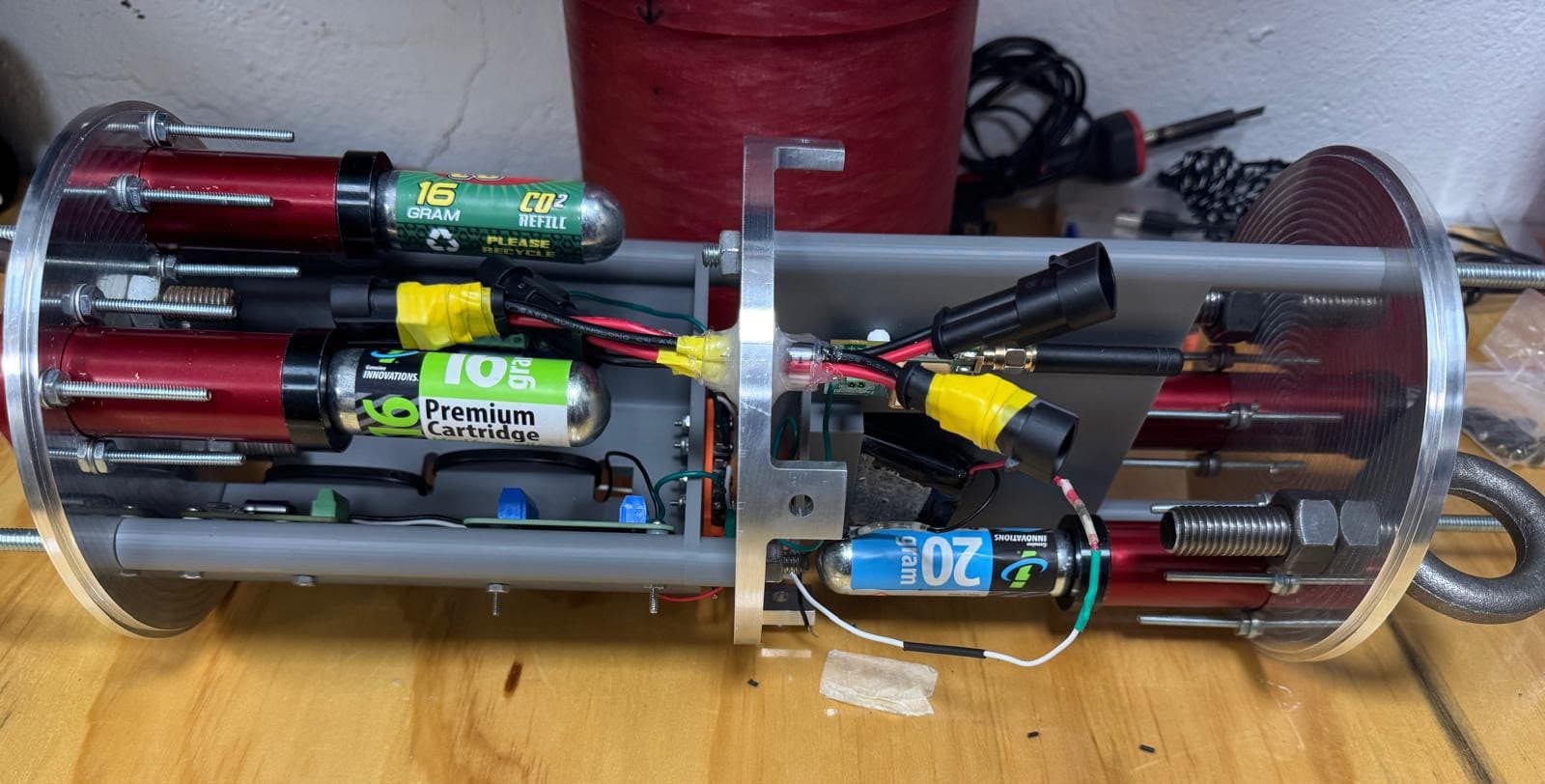
Flight Detection
Recovery avionics monitor flight events and prepare the system for separation and deployment.
Separation Testing
Ground tests verify that rocket sections can separate reliably before flight.
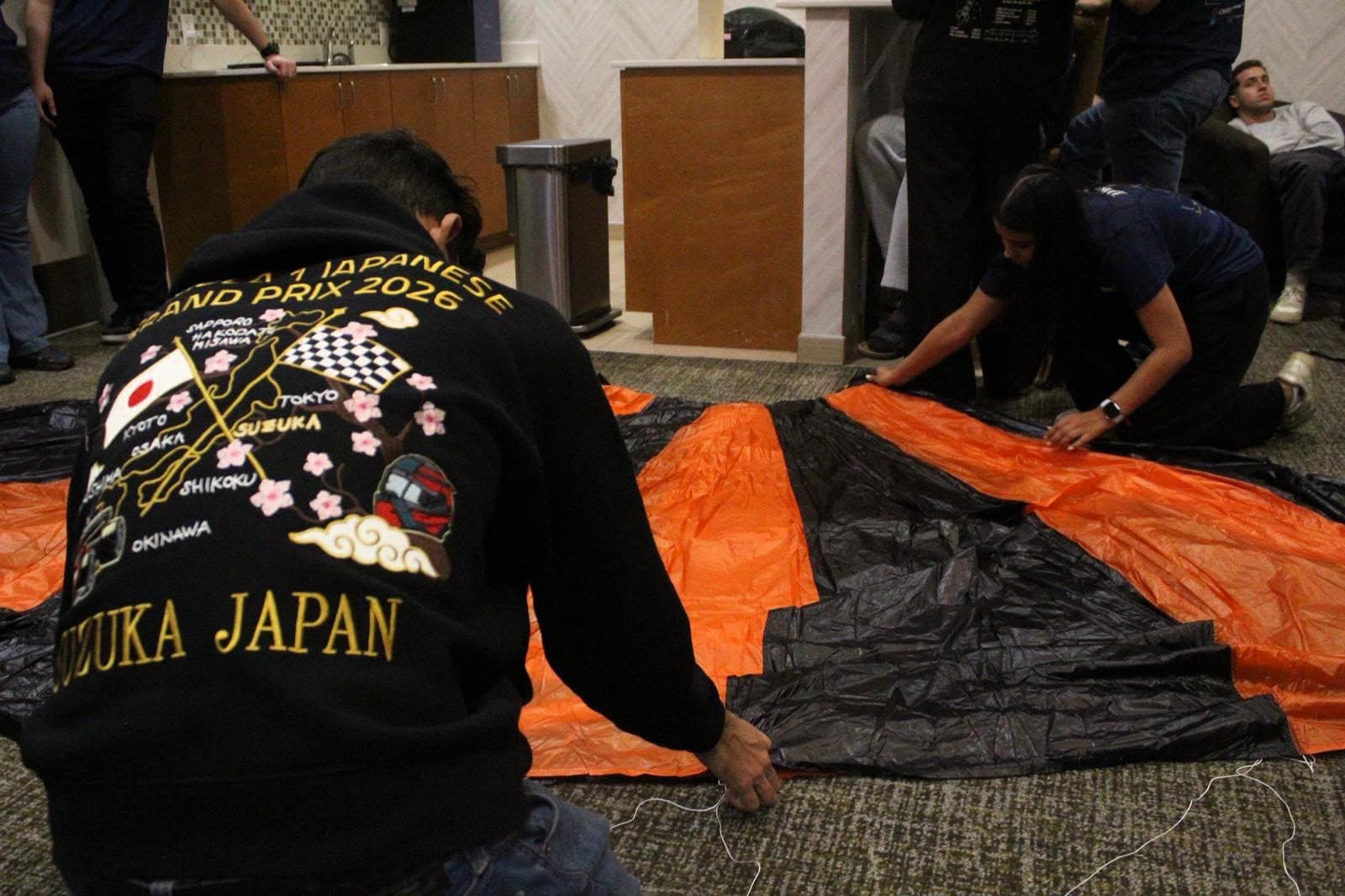
Parachute Preparation
Parachutes are folded, inspected, and packed carefully to support reliable deployment.
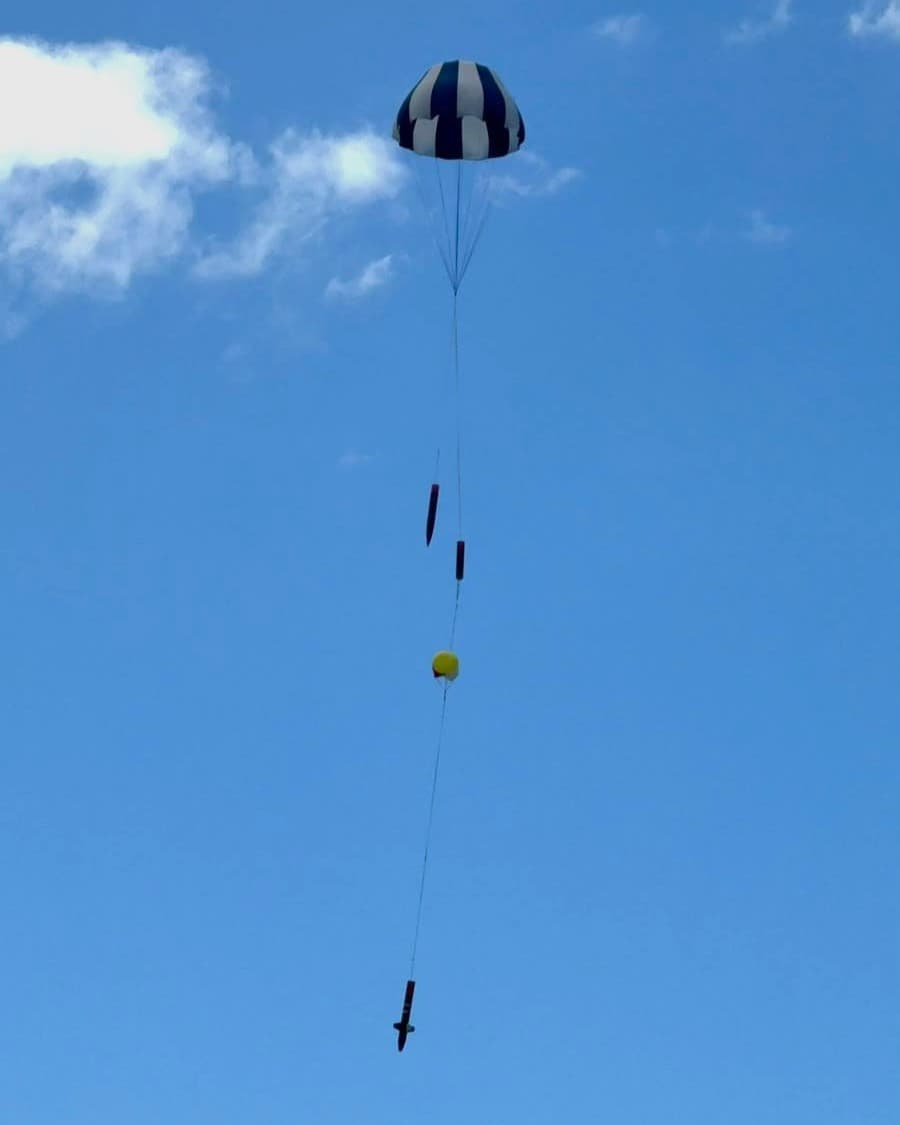
Controlled Descent
After deployment, the recovery system slows the rocket and reduces landing energy.
What Recovery owns
Recovery Avionics
Altimeters and electronics that detect flight events and trigger deployment.
Separation System
Hardware that separates rocket sections at the correct moment.
Drogue Parachute
Stabilizes and slows the rocket after apogee.
Main Parachute
Reduces descent velocity for safe landing.
Shock Cords & Attachments
Transfer recovery loads between vehicle sections.
Packing & Inspection
Checklists and preparation steps that improve deployment reliability.
/ Conclusion
After Touchdown
Recovery does not end at deployment. After landing, the team inspects the vehicle, parachutes, shock cords, and recovery hardware to understand system performance and improve the next flight.
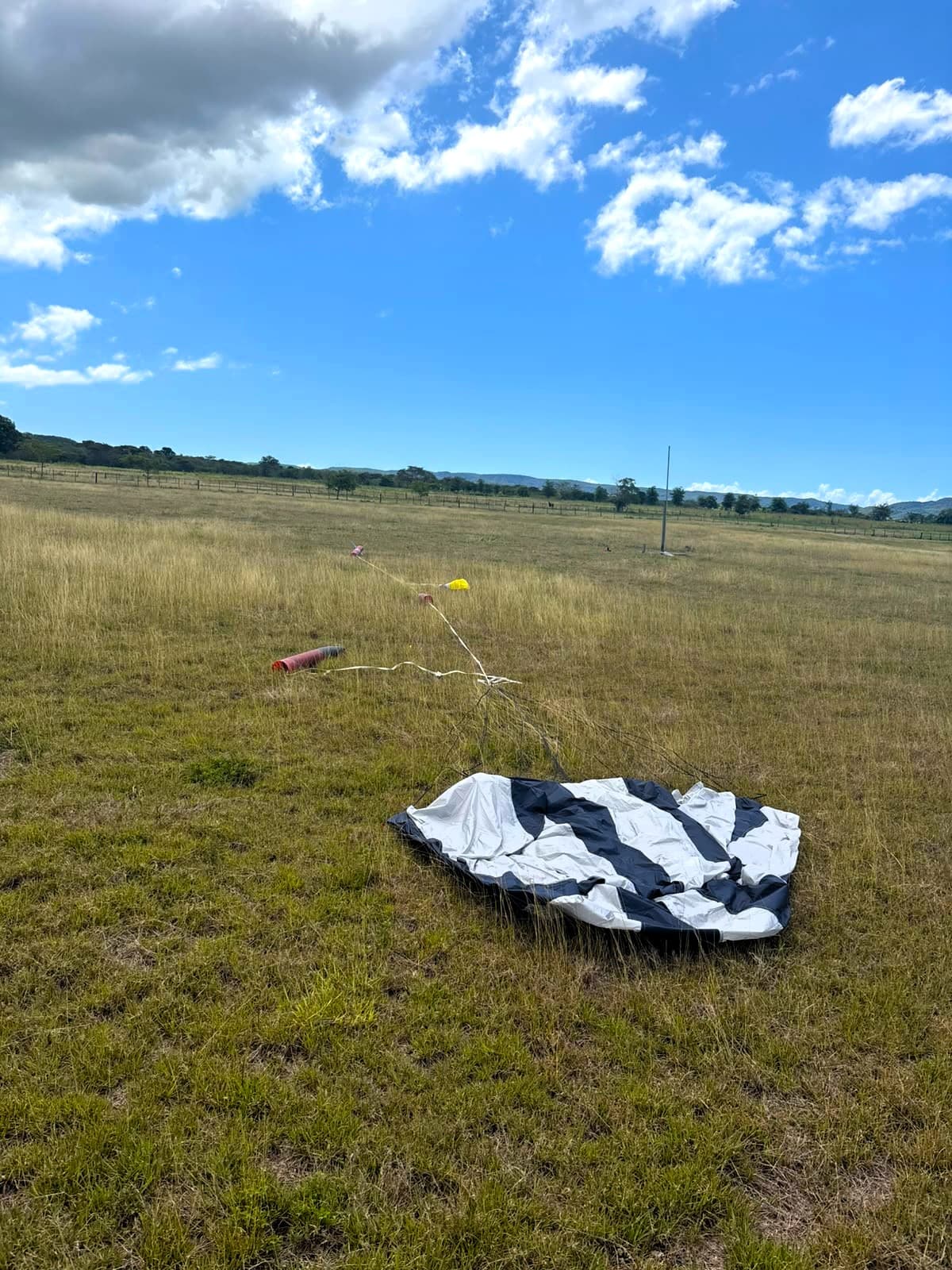
Post-Flight Inspection
Recovered intact and reusable
/ Recovery
Designed to Bring It Back
From avionics and separation testing to parachute packing and post-flight inspection, Recovery makes sure every DRACO rocket has a reliable path back to the ground.